How to Love Your Spouse So They Really Feel It w/ Dr. Gary Chapman
Foundations of a Healthy Marriage
Equipping parents during their child’s academic years to bring learning to daily moments.
The Parenting IQ Podcast is a part of the Christian Parenting Podcast Network. To find practical and spiritual resources to help you grow into the parent you want to be, visit www.christianparenting.org
On today’s episode…
What if your spouse is trying to love you but you simply aren't feeling it? In this powerful conversation, Dr. Kelly Cagle sits down with bestselling author Dr. Gary Chapman to unpack why even the strongest marriages can experience emotional disconnect. Together, they explore the five love languages, the surprising role of personality and "love language dialects," and how intentional choices can help you better understand your spouse, strengthen your connection, and build a marriage where both of you truly feel seen, valued, and deeply loved.

Show Notes
How to Love Your Spouse So They Actually Feel Loved
Why good intentions aren't enough—and what creates lasting connection in marriage
Most couples don't wake up one day and decide to drift apart.
Instead, it happens slowly. Conversations become shorter. Life becomes busier. Parenting takes center stage. Work demands more. Before long, two people who deeply love each other begin feeling more like teammates managing a household than husband and wife building a relationship.
The frustrating part?
Many couples are trying incredibly hard.
One spouse may be working tirelessly around the house. The other may believe they're doing everything they can to provide for the family. Yet one or both still walk away feeling emotionally disconnected.
So what's missing?
According to Dr. Gary Chapman, it's often not a lack of love—it's a lack of understanding.
Love Isn't About What You Give—It's About What They Receive
One of the biggest misconceptions in marriage is believing that if you're showing love, your spouse automatically feels loved.
But that's rarely how relationships work.
Many of us naturally express love in the ways we'd like to receive it. If acts of service make you feel valued, you'll likely clean the kitchen or fold the laundry to communicate love. If quality time fills your emotional tank, you'll crave conversation and uninterrupted moments together.
The problem is that your spouse may speak a completely different "love language."
When we consistently give love in our own preferred language instead of theirs, both spouses often end up frustrated.
Good intentions don't always create emotional connection.
Understanding your spouse does.
The Five Love Languages
Dr. Gary Chapman identifies five primary ways people most naturally receive love:
Words of Affirmation — Encouraging, appreciating, and affirming words.
Acts of Service — Helpful actions that lighten your spouse's load.
Receiving Gifts — Thoughtful reminders that someone was thinking of you.
Quality Time — Undivided attention and shared experiences.
Physical Touch — Affection through hugs, holding hands, kisses, or other appropriate physical connection.
None of these are better than the others.
The goal isn't discovering your favorite language.
The goal is becoming fluent in your spouse's.
Love Is More Nuanced Than We Realize
One of the most fascinating insights from Dr. Chapman's newest research is that even within each love language are different "dialects."
For example, someone whose primary language is Words of Affirmation may feel most loved through encouragement.
Someone else may respond far more deeply to appreciation.
Another may value genuine compliments.
They're all speaking the same language—but with different accents.
This reminds us of something incredibly important:
Healthy marriages are built through curiosity.
Instead of assuming you already know what your spouse needs, keep asking questions.
Keep learning.
Keep paying attention.
People grow, seasons change, and love continues to mature.
Personality Matters Too
Love isn't one-size-fits-all.
Personality shapes how people experience connection.
An extrovert may love a surprise party surrounded by friends.
An introvert may feel far more loved by a quiet dinner together.
A spontaneous spouse may enjoy last-minute adventures.
A planner may feel most cared for when plans are made weeks ahead of time.
The goal isn't convincing your spouse to become more like you.
The goal is learning how they naturally experience love.
When we stop loving people the way we prefer and start loving them the way they receive it, connection begins to deepen.
The Greatest Shift Every Marriage Needs
Perhaps the most powerful lesson from this conversation isn't about love languages at all.
It's about attitude.
Dr. Chapman shared that one of the greatest turning points in his own marriage came when he stopped asking how his wife could meet his needs and began asking how he could better serve hers.
That shift changed everything.
Biblical love isn't driven by emotion.
It's driven by choice.
Real love says:
"I'm committed to enriching your life."
That doesn't mean ignoring your own needs.
It means choosing to love first instead of waiting to be loved first.
Marriage flourishes when two people stop keeping score and start serving one another.
Three Questions That Can Transform Your Marriage
If your marriage feels disconnected, don't start with fixing every problem.
Start with one conversation.
Ask your spouse:
What can I do to help you?
How can I make your life easier?
How can I be a better husband or wife?
These simple questions communicate humility, curiosity, and love.
They also provide something many couples are missing—clarity.
Instead of guessing what your spouse needs, invite them to tell you.
Love Is a Daily Choice
The excitement of new love naturally fades over time.
That's not failure.
That's reality.
The marriages that thrive aren't the ones that stay in the "butterflies" stage forever.
They're the ones where two people continually choose each other long after the butterflies are gone.
Feelings may come and go.
Commitment remains.
Service remains.
Intentional love remains.
And often, the feelings follow.
Reflection Questions
Take a few minutes to discuss these together:
Which love language makes you feel most connected right now?
Has your preferred way of receiving love changed in this season of life?
What is one practical way your spouse could love you this week?
What is one way you can intentionally love your spouse in their language—not yours?
Try This This Week
At the end of the week, ask your spouse one simple question:
"On a scale from 0 to 10, how full is your love tank today?"
If the answer is anything less than a 10, follow it with:
"What's one thing I could do this week that would help fill it?"
Small conversations like this keep emotional connection from quietly fading beneath the responsibilities of everyday life.
Marriage isn't built on grand gestures.
It's built on thousands of intentional moments where we choose to understand, serve, and love each other well.
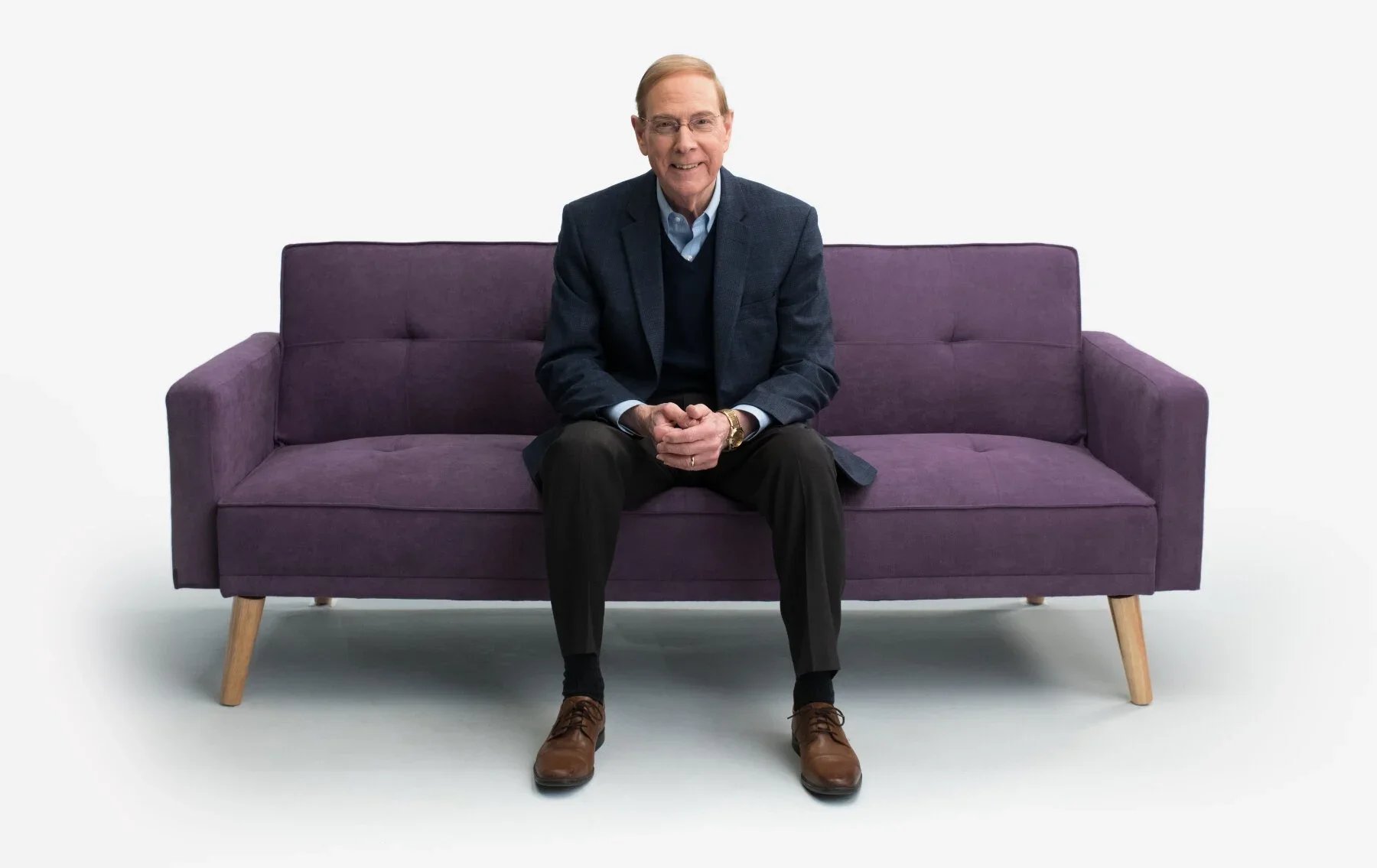
About Dr. Gary Chapman
Dr. Gary Chapman is an internationally recognized marriage counselor, speaker, pastor, and bestselling author best known for The 5 Love Languages®, one of the most influential relationship books of all time. With more than 22 million copies sold and translations in over 60 languages, his work has helped millions of couples strengthen their marriages by learning to communicate love in meaningful ways.
For over five decades, Dr. Chapman has counseled couples, taught biblical principles for healthy relationships, and equipped families with practical tools to build lasting connection. He has authored numerous books on marriage, parenting, and relationships, including The 5 Love Languages of Children, The 5 Love Languages of Teenagers, and his newest release, The Love Languages That Matter Most.
Dr. Chapman and his wife, Karolyn, have been married for more than 60 years and continue to encourage couples around the world with timeless, practical wisdom rooted in faith, intentionality, and servant-hearted love.

A game-changing program for parents raising kids with ADHD. In just five weeks, you’ll gain strategies to reduce chaos, improve communication, and create daily rhythms that bring calm and connection back to your family life.
How to Master ADHD at Home in 5 Weeks
If you’re tired of repeating yourself over and over—whether it’s simple instructions, daily routines, or reminders—and feeling unheard or ignored… You don’t have to wait for change. You can create it!
This course provides step-by-step tools to radically change your home rhythm… in just 5 weeks.