Simple Tips for a Joyful Family Meal w/ Danielle Kartes
Known & Secure
Equipping parents during their child’s academic years to bring learning to daily moments.
The Parenting IQ Podcast is a part of the Christian Parenting Podcast Network. To find practical and spiritual resources to help you grow into the parent you want to be, visit www.christianparenting.org
On today’s episode…
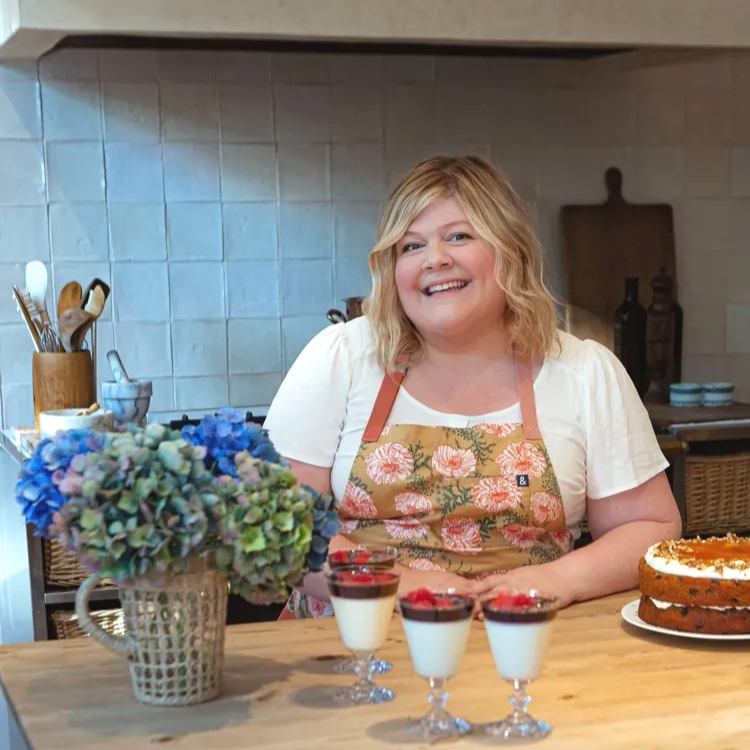
In this heartwarming episode on the Parenting IQ podcast, Danielle Kartes shares how to create joyful, stress-free family meals—without perfection. From practical holiday hosting tips to helping kids build confidence in the kitchen, Danielle reminds us that mealtime is about connection, not performance.
Show Notes
Simple Tips for a Joyful Family Meal
A Parenting IQ Podcast Conversation with Danielle Kartes
Family meals—especially around Thanksgiving—can bring both joy and pressure. Whether you're cooking for a crowd or simply trying to get dinner on the table between homeschool lessons, sports practices, and life’s demands, the kitchen can easily become a source of stress.
In this week’s Parenting IQ Podcast episode, “Simple Tips for a Joyful Family Meal” with cookbook author, mom, and home-cook extraordinaire Danielle Kartes, we unpack everything from cooking anxiety and kitchen organization to involving kids in meal prep and building a healthy family cooking culture.
If you’ve ever felt overwhelmed by cooking, struggled with picky eaters, or wished your family meals felt more peaceful and connected, this episode—and this post—is for you.
Why Cooking Feels Overwhelming (Especially During Thanksgiving)
Thanksgiving often heightens the pressure many parents already feel in the kitchen. Danielle and I talk openly about how cooking anxiety shows up: the fear of messing up a dish, comparing your home to what you see online, and the unspoken expectation that holiday meals must be perfect.
But here’s the truth Danielle reminds us of: “It doesn’t have to be perfect.”
Family meals aren’t about flawless recipes—they’re about connection, gratitude, and presence. Even during Thanksgiving, kids won’t remember the texture of the stuffing. They’ll remember your voice, laughter, and the warmth around the table.
Creating a Relaxed Cooking Culture at Home
Many families—especially those with neurodivergent kids or parents—feel pressure to “get cooking right.” Danielle challenges this mindset and encourages families to lean into a more relaxed cooking culture.
Some families grow up around scratch-made meals; others rely on convenience foods; most fall somewhere in between. None of these define the quality of your home. What matters is the environment you cultivate: peace, laughter, exploration, and connection.
Repetition is also your friend. It’s okay—and even beneficial—to repeat meals. Predictability can be soothing for kids, especially those with ADHD or sensory sensitivities.
Why Involving Kids in Meal Prep Matters
Kids are naturally curious, and the kitchen is one of the best places to nurture learning. Danielle shares simple ways to include kids in meal prep without creating chaos:
Let them wash potatoes
Have them tear herbs
Give them one small “job”
Invite them to taste and describe flavors
Let them help set the table
These small tasks build confidence, expand their food exposure, and help them feel like meaningful contributors to the family rhythm.
And for picky eaters? Danielle reminds us: “Trying new foods takes time—sometimes dozens of exposures. Patience wins.”
Overcoming Cooking Anxiety: Practical Shifts
Many parents carry anxiety into the kitchen—feeling watched, judged, or simply stretched too thin. Danielle offers simple ways to soften that tension:
1. Keep meals simple.
Simple meals are still real meals. Grilled chicken, roasted veggies, soup, pasta, tacos—these count and they nourish your family.
2. Declutter your kitchen.
One of Danielle’s most memorable lines in this episode was: “Clean your refrigerator out.”
You don’t need a Pinterest-perfect pantry to cook well. You just need to know what you have and be able to find it.
3. Allow mistakes.
Burnt dinner? Undercooked veggies? It happens. Kids learn resilience when they see you laugh, pivot, and keep going.
4. Release perfection.
Creativity thrives when pressure is low. You don’t need a brand-new recipe every night. In fact, Danielle says creativity in cooking is often stifled by pressure. Let yourself play, adjust, taste, and enjoy.
Kitchen Organization: The Hidden Key to Enjoyable Cooking
One major theme of this conversation is how physical clutter creates mental clutter.
A simplified, organized kitchen often leads to:
Lower cooking anxiety
More creative meals
Easier meal prep
A more peaceful cooking environment
Start small:
– Toss expired items
– Clear one drawer
– Group tools you use most
– Do a weekly refrigerator reset
A tidy kitchen doesn’t create joy on its own—but it supports it.
How to Encourage Kids to Try New Foods
Danielle emphasizes a key truth backed by child-nutrition science:
Kids need repeated exposure—sometimes 10, 20, or even 30 times—before they accept new foods.
Try these gentle approaches:
Offer a “micro bite” (the size of a pea)
Pair new foods with familiar ones
Keep your language neutral (“This is new,” instead of “You won’t like this.”)
Celebrate bravery, not clean plates
Model trying new things yourself
Every exposure builds familiarity.
Thanksgiving Without Pressure
As we talk about the holidays, Danielle encourages parents to anchor themselves in what truly matters:
Gratitude
Connection
Presence
Family memories
Being together
Not gourmet menus. Not perfect pies. Not Instagram-worthy tablescapes.
Your presence is more important than a perfect meal.
When you release the pressure, Thanksgiving becomes what it was meant to be: a celebration of God’s goodness, family connection, and simple joys.
Key Takeaways from This Episode
Cooking doesn’t have to be perfect; it’s about connection.
Repetition in meals is comforting.
Simple meals still count—don’t underestimate them.
Kids need time to warm up to new foods.
Many parents experience cooking anxiety—it’s okay.
Decluttering the kitchen improves the cooking experience.
Involving kids teaches valuable life skills.
Creativity in cooking increases when the pressure decreases.
Thanksgiving should highlight gratitude, not performance.
Your presence matters more than gourmet food.
Episode Highlights (Time-Stamped)
00:00 – Introduction to Cooking and Family Dynamics
03:10 – The Pressure of Cooking and Hosting
06:01 – Cultural Differences in Cooking and Family Meals
09:00 – Navigating Cooking with Kids
11:58 – Overcoming Kitchen Anxiety and Mistakes
14:57 – Creating a Positive Cooking Environment
17:54 – Encouraging Kids to Try New Foods
20:55 – The Importance of Creativity in Cooking
23:54 – Decluttering and Organizing the Kitchen
26:54 – Final Thoughts on Thanksgiving and Family Meals
Final Word: Embrace the Imperfection
Whether you're preparing for Thanksgiving or simply making Tuesday night dinner, remember this:
Cooking is not a performance—it's an invitation.
An invitation to connection.
An invitation to gratitude.
An invitation to joy around the table.
And as Danielle beautifully puts it: “Everything tastes like chicken.”
(Translation: stop overthinking it—just start!)
About Danielle Kartes
Danielle Kartes is a bestselling cookbook author, TV personality, and founder of Rustic Joyful Food. Known for her down-to-earth approach to cooking and storytelling, Danielle’s passion is helping families gather around the table with grace, simplicity, and joy. Her cookbooks—including Rustic Joyful Food and The Best Kids Cookbook—combine approachable recipes with heartfelt encouragement. She’s been featured on Today, QVC, and the Kelly Clarkson Show, and shares her message of love through food on rusticjoyfulfood.com.
Mom IQ Community
You don’t need more to-dos, overwhelming advice, or confusion from endless Google searches… You have plenty on your plate! You just need the right information that
will actually make an impact.

In this community, you’ll gain access to resources, strategies, and real-life solutions to help you:
Simplify chores and home routines (without losing your sanity)
Create healthy boundaries with your kids, spouse, and others
Improve family communication and connection
Strengthen relationships with your children and spouse
Engage in meaningful activities that build lifelong memories
Support learning at home (without feeling like a full-time “teacher”)
And so much more!