Your Child Is More Than a Diagnosis: Finding Hope After an Autism Diagnosis | Kari Baker, KIND Families
Exploring Neurodiversity
Equipping parents during their child’s academic years to bring learning to daily moments.
The Parenting IQ Podcast is a part of the Christian Parenting Podcast Network. To find practical and spiritual resources to help you grow into the parent you want to be, visit www.christianparenting.org
On today’s episode…
An autism diagnosis can bring both clarity and uncertainty for a family. In this episode, Dr. Kelly Cagle talks with Kari Baker, founder of KIND Families, about pursuing the right support, recognizing your child’s strengths, and finding hope in the middle of an unexpected journey. Parents will be encouraged to see a diagnosis as a roadmap—not a definition of who their child is.

Show Notes
Your Child Is More Than a Diagnosis: Finding Hope After an Autism Diagnosis
An autism diagnosis can bring answers, but it can also bring questions, fear, and a sudden awareness of everything your child may find difficult. For many parents, the challenge is learning how to provide the right support without allowing the diagnosis to become the only thing they see.
In this episode of Parenting IQ, Dr. Kelly Cagle and Kari Baker, founder of KIND Families, explore a powerful shift: a diagnosis can help you understand your child, but it does not define your child. Kari’s experience parenting her son Brady offers practical lessons for families learning to navigate neurological differences with faith, support, and hope.
1. Let the Diagnosis Become a Roadmap, Not a Label
When you suspect your child may be developing or experiencing the world differently, seeking an evaluation can feel intimidating. Some parents worry that a diagnosis will limit how others see their child. But avoiding answers can also mean delaying the support a child needs.
Kari encourages parents to pursue an evaluation when they have concerns. A diagnosis, when appropriate, can become a roadmap for understanding your child’s needs and identifying helpful support.
The goal is not to place your child in a box. It is to better understand how to help them thrive.
Takeaway: Seeking answers is not giving up on your child’s potential. It is taking a step toward supporting it.
2. Put Your Child’s Strengths Beside Their Challenges
Evaluation reports often focus on deficits, percentiles, and areas where a child needs additional help. That information matters, but it is not the whole story.
Kari shares that she wishes she had taken another sheet of paper and written down everything Brady did well: his love of reading, loyalty, creativity, and the gifts that made him uniquely himself. Those strengths deserved to be seen alongside the challenges.
Parents can practice this by asking: What does my child love? What comes naturally to them? What makes them light up? Where do I see their personality, creativity, or confidence?
Takeaway: Your child’s challenges deserve support, but their strengths deserve attention too.
3. Learn to See the World Through Your Child’s Experience
One of Kari’s most practical examples involves Brady’s sensory sensitivity to food temperature. What felt like room temperature to her could feel burning hot to him. Once he had the words to explain his experience, she could better understand why something seemingly simple was so difficult.
This is an important reminder that a child’s experience may be different from ours, even when we cannot immediately understand it.
Instead of assuming, “This should not be hard,” parents can become curious: “What is this like for you?” or “What would help make this easier?”
Takeaway: Understanding your child’s experience can change the way you respond to their behavior.
4. Build Support for Yourself, Too
Parenting a child with neurological differences can require significant emotional energy. For parents who are also neurodivergent, understanding their child’s experience may be a strength, while managing both parent and child dysregulation can still be difficult.
Kari emphasizes knowing your triggers, having systems in place, and identifying a safe person or space when both parent and child are overwhelmed. Dr. Kelly also shares how important it can be to ask her husband to step in when she needs a moment.
Taking care of yourself is not separate from caring for your child. It helps you respond with greater patience and steadiness.
Takeaway: A support plan for your child should include support for you.
5. Give Your Child Room to Do Hard Things
As children grow, parents often face the difficult balance between protecting them and allowing them to become more independent.
Kari shares how Brady wanted to complete a 1.76-mile open-water swim. Her first instinct was to say no, but she allowed him to practice, considered the safety measures, and gave him the opportunity to try. He completed the swim in an hour and 35 minutes.
The lesson was not that every risk should be taken. It was that Brady had confidence in abilities she was still learning to recognize.
When parents lean into their child’s interests and gifts, they may discover capabilities that fear had made difficult to see.
Takeaway: Support your child’s safety while making room for their confidence, growth, and independence.
6. Do Not Navigate the Journey Alone
Kari describes God and community as two of the most important sources of support in her journey. Other parents helped her understand next steps, answered questions, and reminded her that she was not alone.
Community may come through a school, church, special needs ministry, local parent group, or an online connection. Sometimes it begins with a simple question: “Do you know another parent who has walked through something similar?”
Kari’s KIND Families also exists to help families find encouragement and connection.
Takeaway: You do not have to understand everything today. Find people who can walk with you as you learn.
A Different Way to See Your Child
A diagnosis may explain certain challenges, but it cannot capture the fullness of who your child is. Your child is still growing, discovering interests, developing gifts, and becoming the person God created them to be.
The invitation for parents is to hold both truths together: provide the support your child needs, and celebrate the person your child already is.
For families navigating an autism diagnosis, hope does not require pretending the challenges are easy. It means recognizing that the challenges are not the entire story.
Listen to the full episode of Parenting IQ, “Your Child Is More Than a Diagnosis: Finding Hope After an Autism Diagnosis,” with Kari Baker of KIND Families.
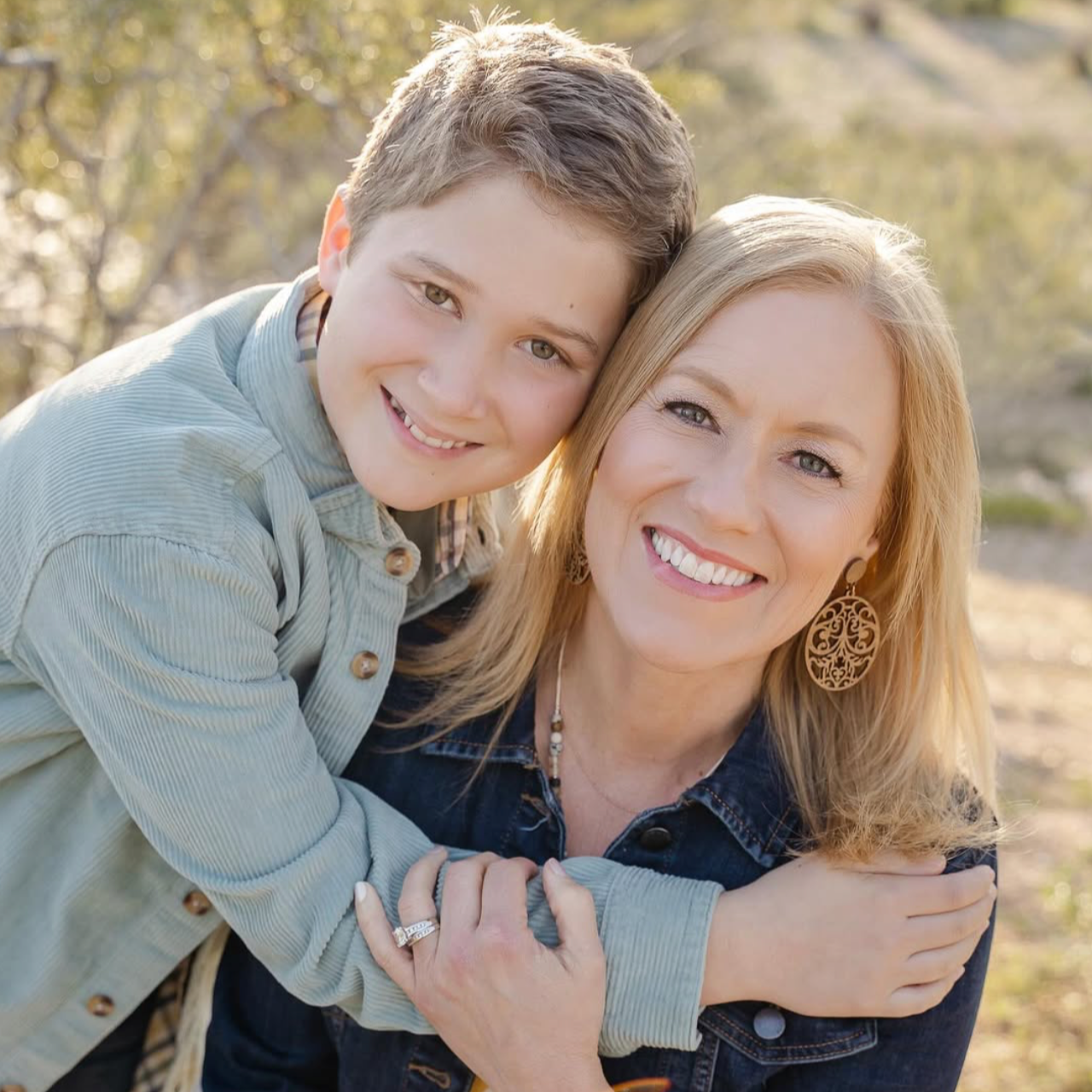
About Kari Baker
Kari Baker is the founder of KIND Families and author of Finding Kind: Discovering Hope and Purpose While Loving Kids with Invisible Neurological Differences. Through her experience parenting her son Brady, Kari encourages families navigating autism and other neurological differences to find hope, recognize their children’s gifts, and build meaningful community. She shares her story with parents, churches, and schools, helping families navigate unexpected challenges through faith and support. Through KIND Families, she connects parents with resources, encouragement, and others who understand their journey.

A game-changing program for parents raising kids with ADHD. In just five weeks, you’ll gain strategies to reduce chaos, improve communication, and create daily rhythms that bring calm and connection back to your family life.
How to Master ADHD at Home in 5 Weeks
If you’re tired of repeating yourself over and over—whether it’s simple instructions, daily routines, or reminders—and feeling unheard or ignored… You don’t have to wait for change. You can create it!
This course provides step-by-step tools to radically change your home rhythm… in just 5 weeks.