The Hidden Cost of Busy Childhoods w/ Natalie Gonzalez
Unpacking Human Development
Equipping parents during their child’s academic years to bring learning to daily moments.
The Parenting IQ Podcast is a part of the Christian Parenting Podcast Network. To find practical and spiritual resources to help you grow into the parent you want to be, visit www.christianparenting.org
On today’s episode…
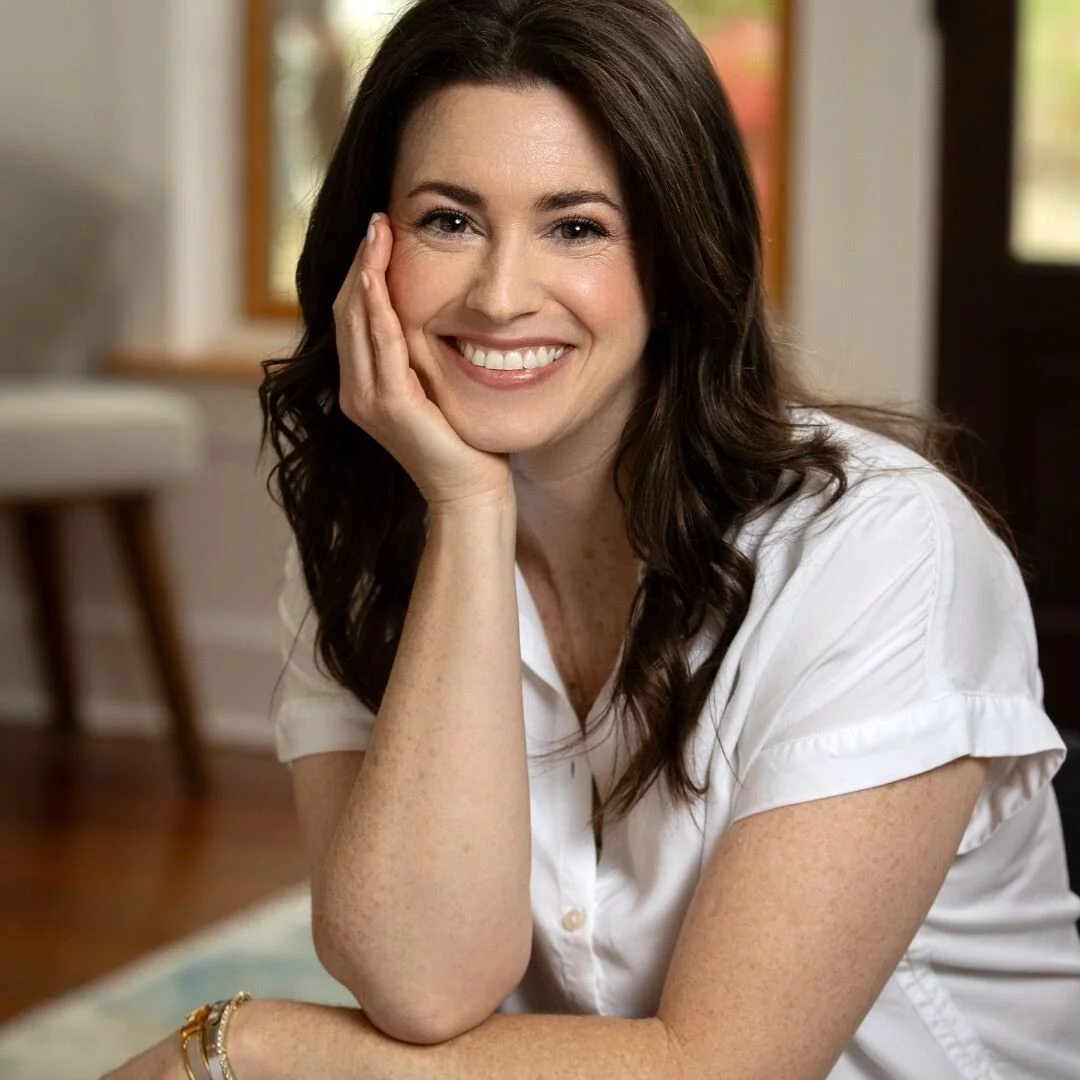
In this episode, Dr. Kelly Cagle sits down with Natalie Gonzalez, author of The School Zone Mentality, to discuss the hidden cost of busy childhoods and why slowing down matters for healthy child development. They explore how overstimulation, packed schedules, excess stuff, and lack of sleep can impact children’s emotional well-being and growth. You’ll walk away with practical encouragement to simplify family life and create rhythms where your kids can truly thrive.
Show Notes
The Hidden Cost of Busy Childhoods w/ Natalie Gonzalez
Why slowing down may be one of the best gifts we can give our kids
We live in a culture that often equates busy with successful.
A full calendar can feel productive. Back-to-back activities can feel like we’re doing something right. Packed schedules can make us believe our children are thriving simply because they are constantly moving.
But what if the opposite is true?
What if some of the struggles we’re seeing in our children—meltdowns, anxiety, irritability, poor focus, constant overstimulation, emotional exhaustion—aren’t because they need more opportunities, more stuff, or more entertainment…
What if they need less?
That’s the heart of this conversation with Natalie Gonzalez, author of The School Zone Mentality. Her message is simple but powerful: children thrive when we slow down enough to give them what they actually need.
And for many families, that may require a complete mindset shift.
Childhood Is Different by Design
One of the most important reminders from this episode is that children are not miniature adults.
They don’t process stress the way adults do. They don’t regulate emotions the way adults do. They don’t have the same capacity for overstimulation, late nights, endless transitions, or constant pressure.
Yet many modern family rhythms expect them to.
We often hand children adult-sized schedules, adult-sized stimulation, and adult-sized expectations—and then wonder why they’re struggling.
Natalie uses the picture of a school zone to explain this beautifully. In a school zone, we slow down, pay attention, and recognize that this space requires extra care. Childhood works the same way. It is a unique developmental season that deserves intentionality, patience, and protection.
Slowing down doesn’t mean holding kids back.
It means supporting them wisely.
Busy Isn’t Always Healthy
Many parents carry good intentions when they fill the calendar.
We want our children exposed to opportunities. We want them to build confidence. We want them to discover their gifts. We want to give them experiences we may not have had.
Those desires are not wrong.
But when every margin is filled, children lose something important: space.
Space to rest.
Space to process.
Space to play freely.
Space to be bored and become creative.
Space to connect with family.
Space to simply be children.
A busy child may look successful from the outside while feeling overwhelmed on the inside.
And because children often don’t have the words to explain overwhelm, it usually comes out sideways—in behavior, emotional reactivity, resistance, or fatigue.
Sometimes what looks like disobedience is actually dysregulation.
The Hidden Impact of Too Much Stuff
One of the “zones” Natalie discusses is the problem of excess stuff.
We live in a world of endless upgrades, fast shipping, impulse buying, and constant messages that more is better. But our homes and our children often absorb the cost of that mindset.
Too many toys.
Too much noise.
Too many flashing lights.
Too many choices.
Too much stimulation.
Children do not always know how to tell us when their environment feels chaotic. They simply respond to it.
That can look like shorter attention spans, difficulty engaging in imaginative play, irritability, or needing constant entertainment.
More toys do not automatically create happier children.
In fact, fewer, more intentional materials often lead to deeper play, longer focus, and more creativity. Open-ended toys invite imagination in a way highly stimulating, one-purpose toys often do not.
Sometimes simplifying the environment creates peace faster than correcting behavior.
Sleep Is Not Optional
If there was one theme in this conversation that every parent should take seriously, it is sleep.
Sleep is not a bonus. It is not something children can “catch up on later.” It is foundational to learning, emotional regulation, behavior, memory, and physical development.
When children are under-rested, the effects can show up in ways we don’t always recognize:
They may seem moody.
They may struggle to focus.
They may become more reactive.
They may lose motivation.
They may appear defiant or emotionally fragile.
But sometimes the real issue is simple:
They are exhausted.
Children rarely choose sleep over stimulation on their own. That’s why bedtime rhythms, screen boundaries, and family modeling matter so much.
Kids learn what we normalize.
If rest is valued in the home, they absorb that. If overstimulation and constant hustle are normalized, they absorb that too.
Parents Set the Emotional Climate
One of the most encouraging parts of this episode was the reminder that change doesn’t have to start with your child.
It can start with you.
You do not have to fix everything overnight. You do not need a perfect system. You do not need to overhaul your whole life in one week.
Often the first step is simply asking:
What in our family rhythm is helping us flourish?
What is draining us?
What have we normalized that may not be healthy anymore?
Then choose one small shift.
Earlier bedtime.
One less activity.
Decluttering one room.
Tech-free evenings.
More unhurried family dinners.
More outdoor play.
More margin.
Small shifts repeated consistently create lasting change.
A Different Vision of Success
What if success in childhood looked less like performance and more like peace?
What if thriving looked less like a packed résumé and more like emotional security?
What if growth looked less like constant motion and more like steady development?
Our children do not need childhood to feel like a race.
They need safe rhythms, healthy limits, loving guidance, and enough margin to grow at the pace they were designed for.
Key Takeaway
The hidden cost of busy childhoods is often paid in the emotional, mental, and physical health of our kids.
But the good news is this:
We can choose differently.
We can slow down.
We can simplify.
We can protect rest.
We can create homes where children are not just performing—but truly thriving.
And that kind of childhood is worth protecting.
About Natalie Gonzalez
Natalie Gonzalez is a sociologist, former educator, and mother of two who is passionate about helping families rethink modern parenting through the lens of healthy child development. She is the author of The School Zone Mentality: Raising Thriving Kids by Slowing Down, where she encourages parents to simplify family life, protect childhood, and focus on the habits that help children truly flourish. Through her writing and online platform, Natalie equips parents with practical, research-based tools for creating calmer, healthier homes.

A game-changing program for parents raising kids with ADHD. In just five weeks, you’ll gain expert strategies to reduce chaos, improve communication, and create daily rhythms that bring calm and connection back to your family life.
How to Master ADHD at Home in 5 Weeks
If you’re tired of repeating yourself over and over—whether it’s simple instructions, daily routines, or reminders—and feeling unheard or ignored… you don’t have to wait for change— you can create it!
This course provides step-by-step tools to radically change your home rhythm… in just 5 weeks.

Struggling with screen time and safe tech? Dr. Kelly is proud to partner with Gabb Wireless—the phone that protects childhood. It's a perfect complement to fostering focused, grounded kids in a distracted world.